 A systems perspective
What were Icelanders
really voting on?
Public Discourse as a complex system
StartPublic discourse is a complex system of interconnected communicative events.
- Meanings change as messages are reported, shared and discussed.
- These changes can accumulate: people may end up debating an interpretation far removed from the original message.
Understanding this process helps us recognize what we are actually responding to.
Different ways of understanding the referendum
Formally just a yes or no choice on whether to resume negotiations with the EU.
In practice, very different frames were connected to it:
Many small, local interactions → large-scale patterns
Nobody designs the traffic jam!

Local interactions can produce a collective pattern without anyone planning it.
Local rules, global patterns, no orchestrator
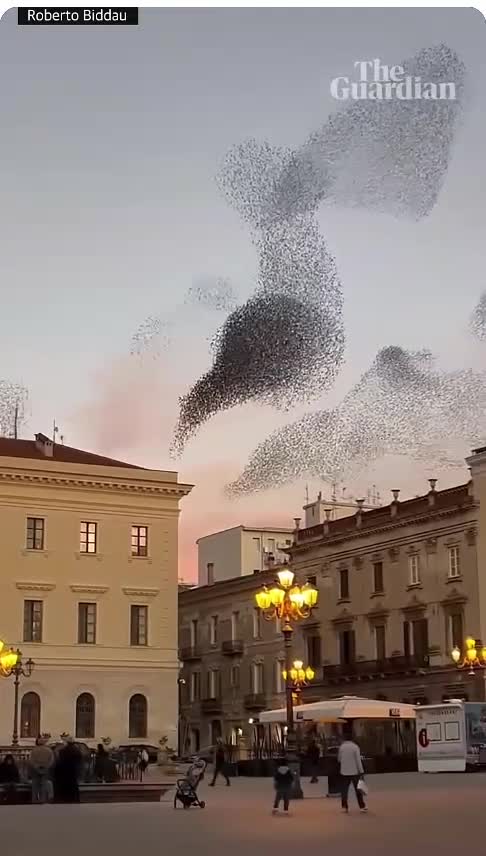
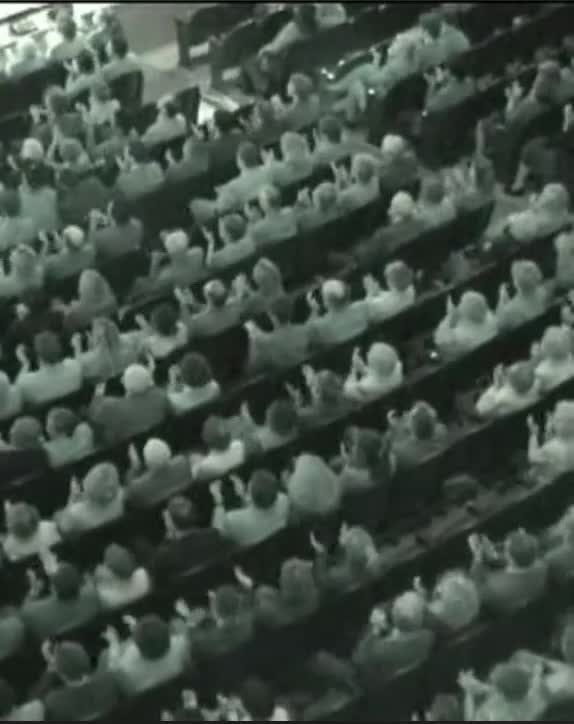
No single bird controls the flock. A shared rhythm can emerge without a conductor.
Three key features of complex systems
Numerosity
The system consists of many individual parts.
Interaction
Those parts respond to and influence one another (non-linearly).
Emergence
Their interactions produce collective patterns that no part produces alone.
Complex systems are not intuitive! See Mitchel Resnick’s (1996) centralized mindset.
Now replace birds with messages!
Specific frames of interpretation can be an emergent phenomenon.
The acts that connect us
Six ways meaning movesExamples from Icelandic press
One interview, different headlines
The same interview with Kristrún Frostadóttir (Rest is Politics podcast, 27 July 2026):
RÚV
“Iceland’s EU negotiating position has improved because of geopolitical turmoil”
Heimildin
“Independence should not be taken for granted today” (referring to Greenland)
Vísir
“People are not stupid”, on voters’ judgment and criticism of the EU
What becomes central when each account selects a different starting point?
European army “game of telephone”
- January EU Defence Commissioner Kubilius says the EU should consider a ~100,000 standing force.
- 21 May An Independence Party MP: an opinion piece “Icelandic soldiers?” states Kubilius “called for” an army.
- 16 July An anti-EU commentator: the EU’s “defence minister” declared the EU needs 100,000 armed forces.
- 25 July Facebook post: Icelanders aged 18–67 will be drafted into the “new European army”, except a senior politician’s son.
- 30 July The chair of Heimssýn: Kubilius “wants a 100,000-strong European army, no ifs or buts,” and Iceland can’t be exempt.
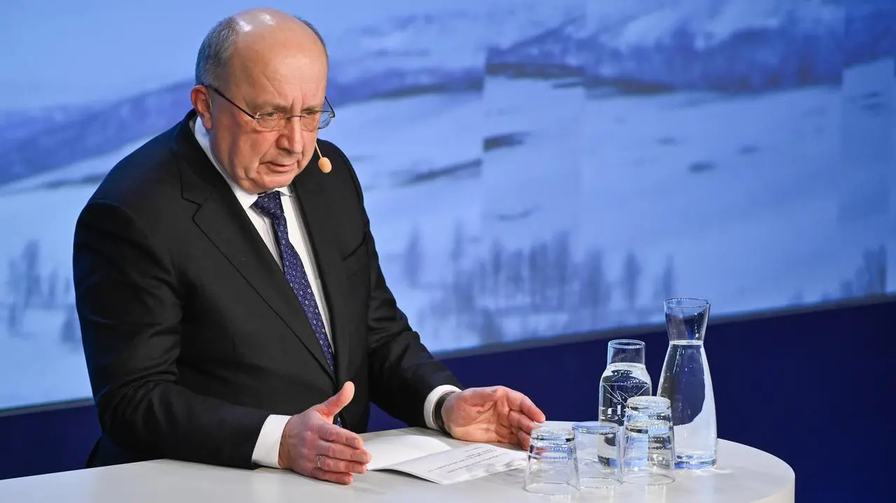
Development of verb use:
consider → called for → declared → wants → drafted
Foreign news on Iceland’s EU referendum
Close race vs. clear verdict
Euronews: “Neck and neck referendum”; NOS: “nek-aan-nekrace” (neck-and-neck race)
vs.
NZZ: “überraschend deutlich” (surprisingly clear); Irish Times editorial: “a clear ‘no’ to Brussels”
Geopolitics: central vs. marginal
Central — AP: “debate over fisheries vs geopolitical stability”; Fortune leads with Trump and Greenland
Outweighed — BBC: fishing and independence outweighed security worries; Yle: security concerns played a limited role (paraphrases)
Largely absent — NZZ, Telex, ERR: the focus stays on fisheries and existing ties
How final is it?
Closed — Corriere: «Capitolo chiuso» (chapter closed); Yle: “Ett nej är ett nej” (a no is a no), off the agenda for a generation (paraphrase)
Paused — ERR: “pani paariks aastaks pausile” (put on pause for a couple of years)
Whose story is it?
A setback for Brussels — Le Monde: « perçu comme un revers »; Berlingske: “et nej, der svier i Bruxelles”
Not anti-Europe — Tagesschau: “Ein Nein – aber keine Abkehr von Europa”
A Norwegian story — VG: “Vedum jubler – Barth Eide advarer”; Politiken: “Nøglen ligger nu i Oslo”
Examples from foreign press
Czech news
Shift in what the discussion is about, through selective uptake.
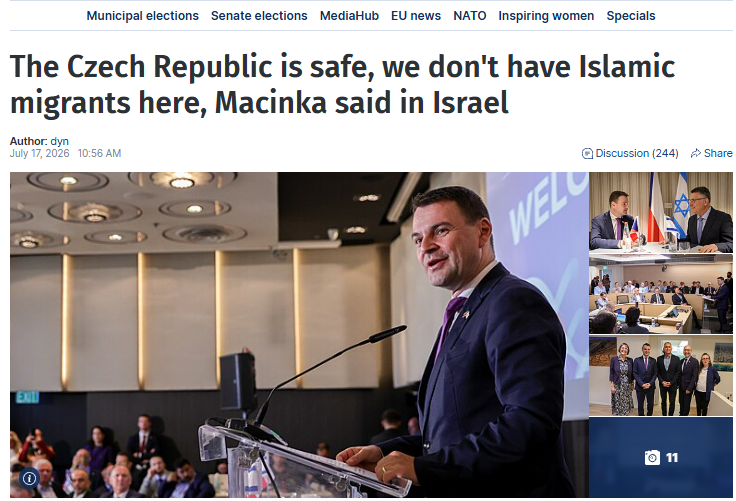
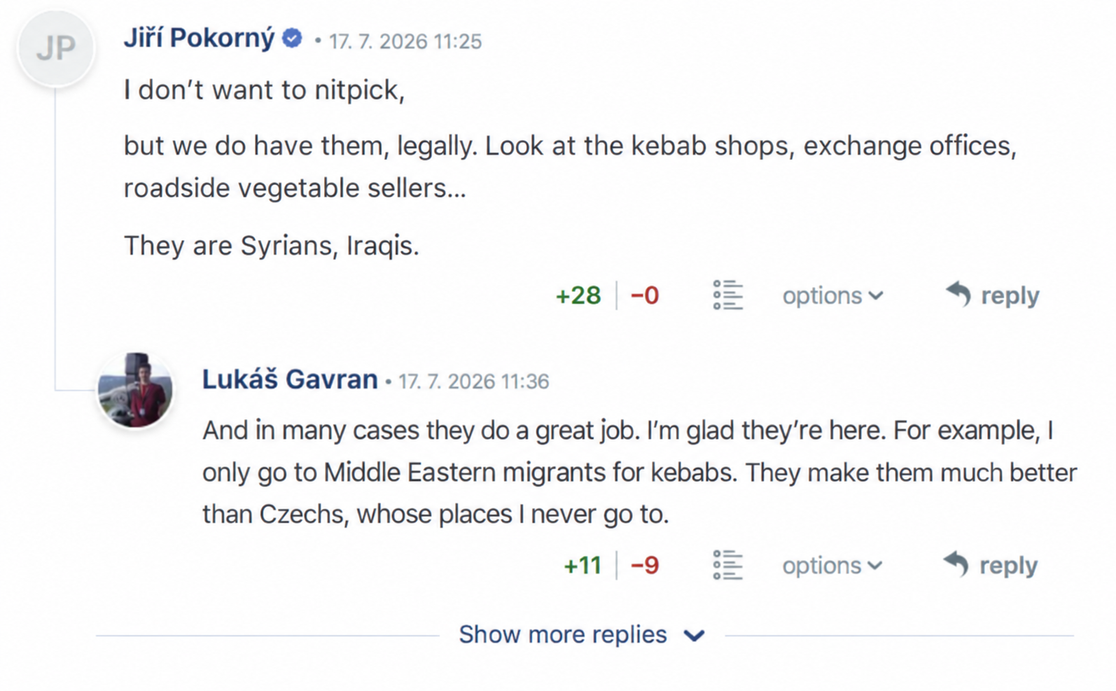
Examples from L’udmila Lacková, 1st HONE workshop, July 2026.
Different visual frames
February 2026: the Italian government approves a new migration and asylum bill.
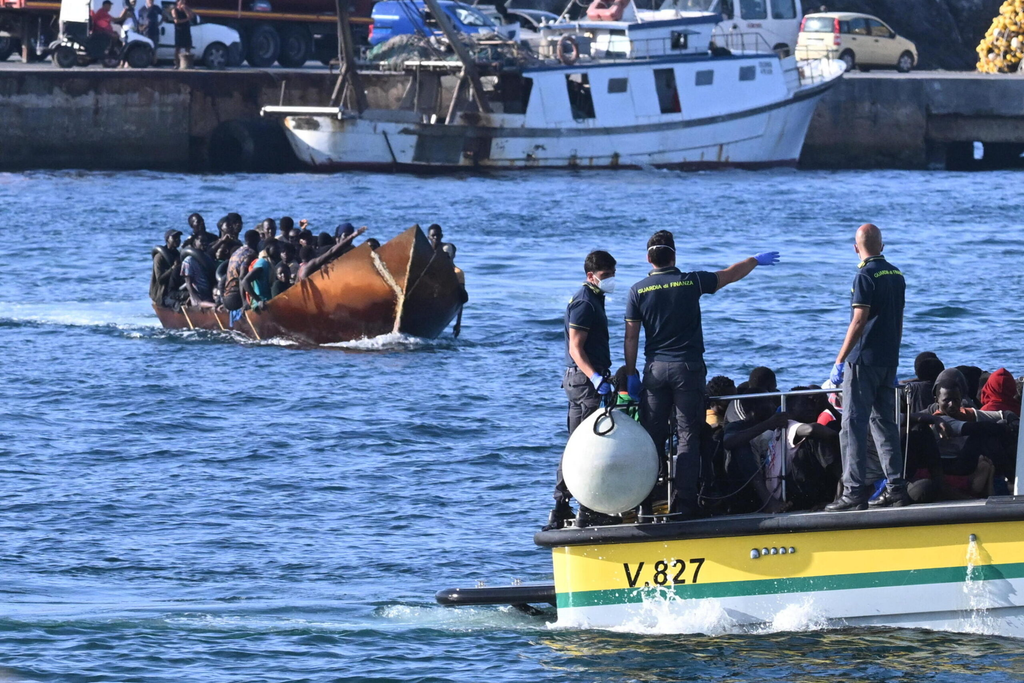
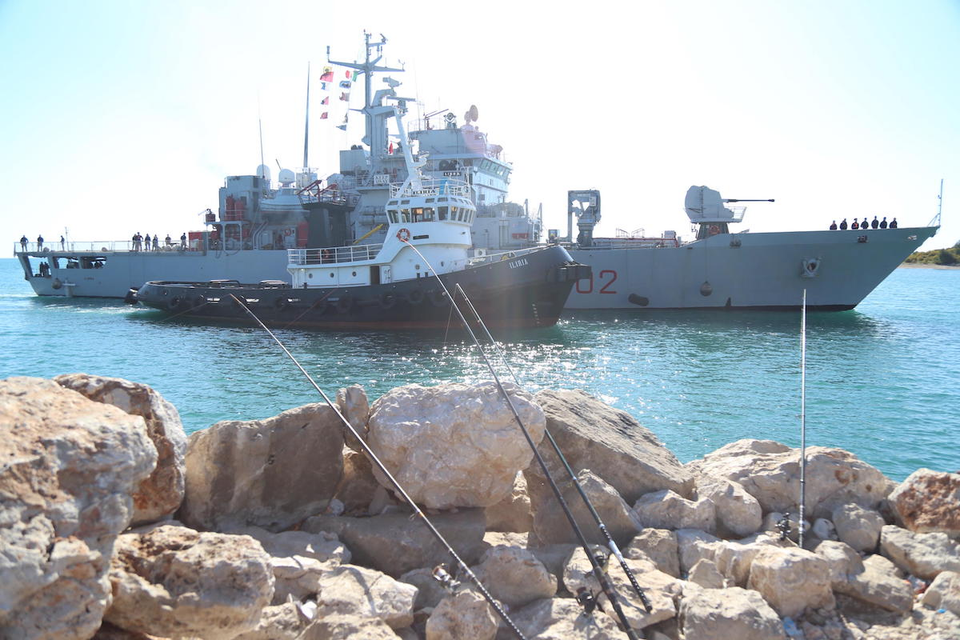
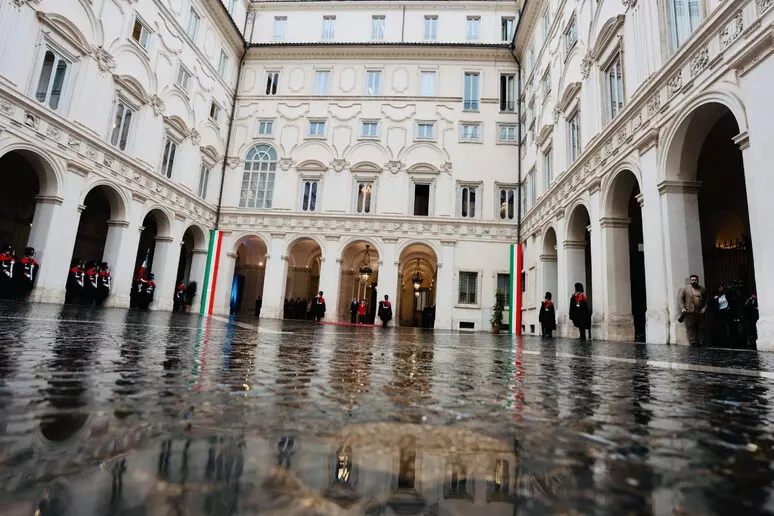
What happens when small changes repeat?
Small changes, many transmissions.
Why should we care?
- We rarely see the whole chain.
- Gradual changes can be difficult to notice.
- Different versions can shape the terms of disagreement.
- Collective patterns can be mistaken for coordinated plans!
- Understanding these processes matters for democracy.
The project
Iceland’s EU Referendum · HONE (How Narratives Emerge)
Elena Callegari
University of Iceland
Digital Humanities, Information Structure
L’udmila Lacková
Uni Olomouc/Prague
Semiotics
Pietro de Lellis
University of Naples
Complex Systems
Eduard Mir Neira
University Rovira i Virgili
Formal Semantics
Three angles
Complexity + network dynamics
This allows us to model how information spreads across networks.
Linguistics
We look at features like tense, modality, topichood.
Digital collections
Parliamentary transcripts, online news, social media posts.
How will we study this in practice?
Collect
Follow selected referendum-related events across news coverage and public responses.
Connect
Identify which contribution quotes, refers to or replies to another.
Annotate
Record how each contribution frames the issue, specific linguistic choices, etc.
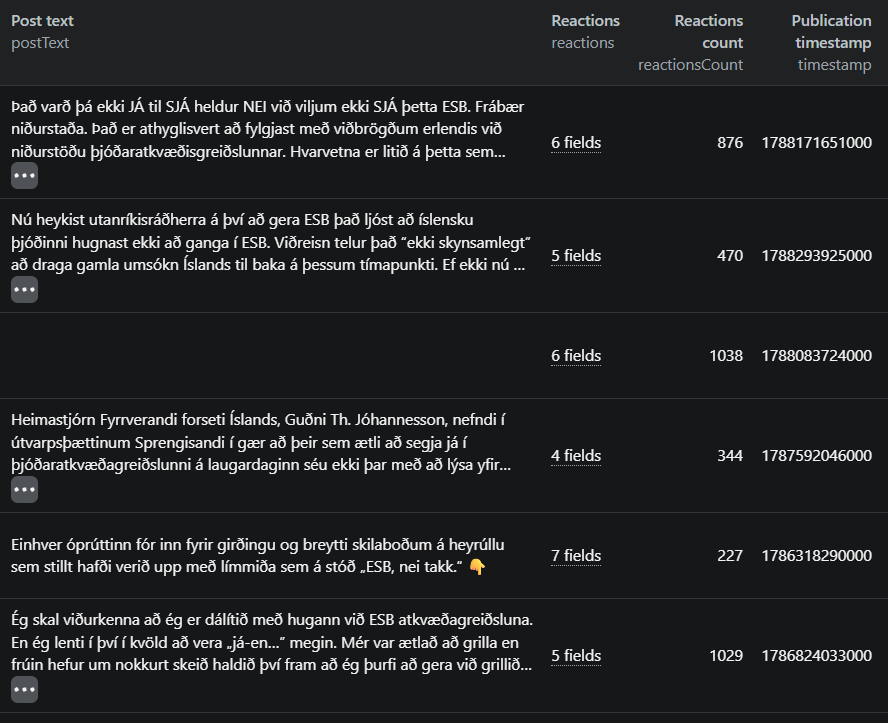
Building a network of the debate
Each contribution becomes a node
An interview, a news article, a post or a comment.
Annotation describes how meaning is presented
What is emphasized, assumed, or expressed as certain or possible.
Links trace connections between contributions
Who quotes, refers to or replies to whom.
Together, these form a map we can analyze over time
Which are the most common types of transformations? What are the network’s emergent features?
A practical illustration
Top = earlier, bottom = later. Rows are dates in order, not to scale. Arrows point from the referencing item to the referenced item and do not indicate causation.